Art Therapy and Music Therapy for Deep Emotional Wellness
Feeling a little overwhelmed by life lately? You are definitely not alone in that feeling. We all struggle to find true emotional wellness in our busy, modern world. The good news is that there are powerful, engaging, and non-verbal tools we can use. Enter the world of Art Therapy and Music Therapy! These forms of creative therapy offer fantastic pathways to deep inner healing. They help you process tough feelings without needing to say a single word. Let’s dive into how these two therapeutic approaches can revolutionize your mental health journey.
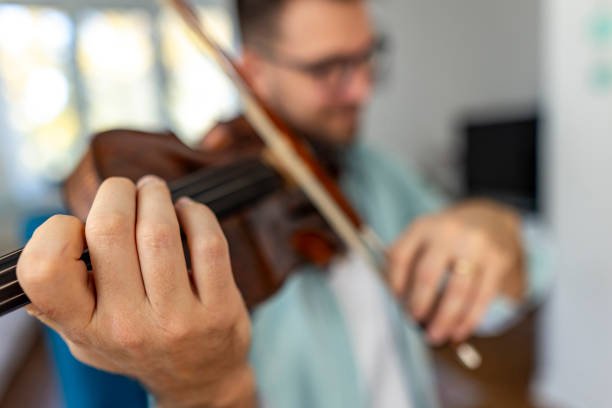
Understanding the Power of Creative Therapy: Art Therapy and Music Therapy
Art Therapy and Music Therapy are often grouped together as expressive arts therapies. They both leverage your innate creativity for psychological and emotional wellness. Think of them as special keys to unlock your deepest emotions. Therapists use painting, drawing, sculpting, singing, and instrument playing as the main tools. It’s all about the process, not the final masterpiece or performance. This is creative therapy at its most fundamental and most effective level.
What is Art Therapy? Art for Emotions and Healing
Art Therapy is a specific type of creative therapy. It involves using visual arts media to explore feelings, reduce conflict, and foster self-awareness. It’s a wonderful, safe way to communicate things that words simply cannot express. When you engage in art for emotions, you put your inner world onto paper or clay. This externalization can be deeply cathartic and insightful for your mental health. The simple act of creating provides significant stress relief and clarity.
What is Music Therapy? Healing with Music for Stress Relief
Music Therapy is the clinical and evidence-based use of musical interventions. A credentialed music therapist uses this method to achieve individualized goals. It’s more than just listening to your favorite songs. This approach truly focuses on healing with music. It can include composing, listening, singing, or moving to music. The vibrations and rhythms connect directly to your nervous system. This direct connection makes it incredibly effective for immediate stress relief. It is a dynamic and engaging approach to long-term emotional wellness.
5 Essential Ways Art Therapy and Music Therapy Boost Your Emotional Wellness
Both Art Therapy and Music Therapy provide distinct yet overlapping benefits for your well-being. Focusing on these five areas shows their profound impact. They move beyond simple relaxation into true deep-seated healing. Understanding these ways helps you appreciate their power.
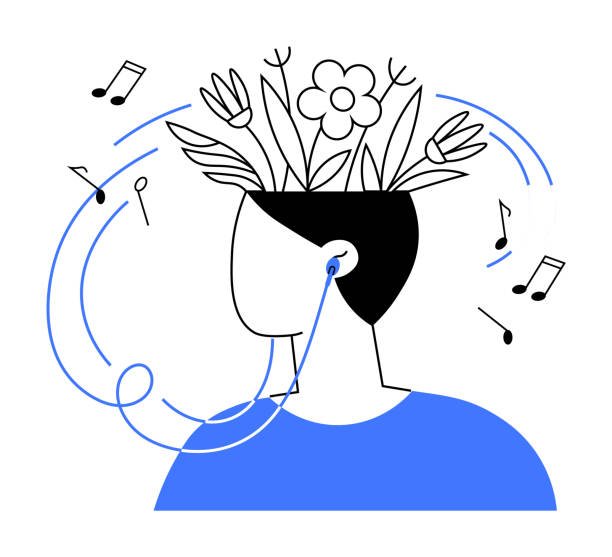
Way 1: Non-Verbal Communication and Expression
One of the biggest hurdles in mental health is finding the right words. Sometimes, emotions are too complex or too painful to talk about directly. Art Therapy and Music Therapy beautifully bypass this verbal barrier. They allow for a powerful, non-verbal release. You can paint a feeling or express an emotion through a melody. This is a core strength of creative therapy. This freedom of expression is crucial for deep emotional wellness.
- Art for Emotions allows complex feelings to take shape visually. A chaotic scribble might represent overwhelming anxiety. Giving the anxiety a visual form makes it less scary. This process in Art Therapy is deeply clarifying. It helps you see your emotional state from an outside perspective.
- Healing with Music offers a similar outlet but through sound and rhythm. You might play a loud, discordant chord to represent frustration. This sonic release is incredibly freeing for stress relief. It’s a way to let the energy of the emotion move out of your body. Both approaches honor your need for authentic expression.
Way 2: Stress Relief and Nervous System Regulation
In today’s fast-paced world, chronic stress is a major threat to mental health. Both forms of creative therapy are excellent tools for immediate and sustained stress relief. They actively help regulate your body’s nervous system. This is a biological benefit, not just a psychological one.
- Engaging in Art Therapy activities, like repetitive drawing or coloring, is grounding. The focus required shifts your attention away from stressors. This mindfulness is a natural form of stress relief. It lowers your heart rate and decreases cortisol levels.
- Music Therapy is renowned for its ability to calm the mind and body. Listening to, or creating, rhythmic music can synchronize your breathing. This rhythmic synchronization promotes a state of calm. It is a powerful form of healing with music and immediate relaxation. This regulation is key to long-term emotional wellness.
Way 3: Gaining Insight and Self-Awareness
The act of creating, whether it’s a drawing or a composition, provides distance. This distance allows you to observe your internal processes. This observation is the foundation of self-awareness. It is a critical step toward healing in any creative therapy.
- After a session of Art Therapy, you can look at your creation objectively. You might notice recurring themes or colors that represent certain emotions. A therapist can help you interpret this, offering deep insight into your struggles. This is the power of art for emotions. It turns the abstract into the concrete.
- In Music Therapy, observing your musical choices can be very revealing. Do you gravitate toward sad, minor keys? Or loud, aggressive rhythms? Analyzing these patterns provides self-awareness. This form of healing with music helps you understand your coping mechanisms. Greater insight always leads to better mental health.
Way 4: Trauma Processing and Emotional Release
Trauma often gets stored in the body, outside of conscious verbal memory. Trying to talk about trauma can sometimes be re-traumatizing. Art Therapy and Music Therapy provide gentler, safer paths to access and process these memories. They facilitate a crucial emotional wellness release.
- Art Therapy allows the body to safely release traumatic energy through movement and creation. You might pound clay or aggressively tear paper. This physical action is a non-verbal release of pent-up emotional residue. This gentle and indirect approach makes art for emotions invaluable for trauma survivors. The artwork becomes a container for the difficult memories.
- Music Therapy, especially improvisational playing, can help re-regulate the nervous system after trauma. Certain sounds or rhythms can access and shift deeply held emotional states. This form of healing with music can be incredibly soothing. It helps to integrate difficult memories in a safe, contained way. These therapies are powerful additions to traditional talk therapy. For more focused techniques on handling distress, consider reading our related article, “10 Effective Mind Repair Techniques for Overcoming Anxiety and Stress Management,” available here: https://deepmindfix.com/mind-repair-techniques-2/.
Way 5: Boosting Confidence and Personal Growth
These creative therapy methods emphasize process and expression over perfection. This shift in focus is incredibly freeing and confidence-boosting. When you see yourself creating, it confirms your ability to act and affect change. This feeling is fundamental to strengthening mental health.
- Successfully completing an Art Therapy project, no matter how simple, is an accomplishment. It provides a tangible sign of perseverance and capability. This small win contributes significantly to your overall self-esteem. Using art for emotions shows you that you can manage and shape your internal world.
- Learning to express a feeling through an instrument, or composing a simple melody, is empowering. This mastery in Music Therapy builds confidence. The sense of achievement strengthens your resilience. This sustained growth is the very definition of deep emotional wellness. Both Art Therapy and Music Therapy validate your capacity for creation and change.

Getting Started with Art Therapy an d Music Therapy: Actionable Tips
You don’t need to be a professional artist or musician to benefit from Art Therapy and Music Therapy. The goal is expression, not exhibition. Start small and incorporate these creative therapy ideas into your daily routine. Consistency is the real key to achieving lasting emotional wellness.
Tips for Incorporating Art for Emotions
Start with simple, accessible materials. A notebook and a set of colored pencils are more than enough. Don’t worry about drawing “correctly.” The point is simply to express yourself.
- Mandala Coloring: Spend 15 minutes coloring intricate patterns. This simple act promotes intense focus and provides great stress relief. It’s a wonderful daily reset button.
- Emotional Sketching: Assign a color and shape to a feeling you have right now. Don’t think; just let your hand move across the paper. This is pure art for emotions. You are giving form to the formless.
- Clay or Play-Doh Sculpting: Using your hands to manipulate clay can be profoundly grounding. It’s excellent for working out agitation or anxiety. The tactile experience provides immediate stress relief.
Tips for Harnessing Healing with Music
Music is all around us, but we can engage with it more mindfully. You can use your own voice or any simple instrument you have available. A bucket and a spoon can be your percussion section!
- Improvised Drumming: Use your hands to tap a rhythm that matches your current mood. Start there, then try to change the rhythm to one that represents calm. This is active healing with music.
- Mood Playlist Creation: Curate a playlist of songs that you feel accurately represents your current feelings. Listen to it and acknowledge those feelings without judgment. Then, have a second playlist of songs that make you feel happy and transition to that one.
- Singing or Humming: Simply humming a tune can regulate your breathing and calm your nervous system. Don’t worry if you’re not on key. The vibrational aspect of your voice is the therapeutic tool for stress relief.
Resources for Deeper Art Therapy and Music Therapy Engagement
While self-help is valuable, seeking professional guidance can deepen your experience. A licensed therapist can provide structure and insight. They are trained to interpret your creations safely. They can guide you through difficult emotional breakthroughs.
Finding a Professional
Look for a board-certified Art Therapist (ATR-BC) or a board-certified Music Therapist (MT-BC). These professionals have specialized training. They will guide you in using Art Therapy and Music Therapy effectively. They can tailor techniques to your specific mental health needs. They ensure you are getting the full benefits of creative therapy.
Recommended Materials for Creative Therapy
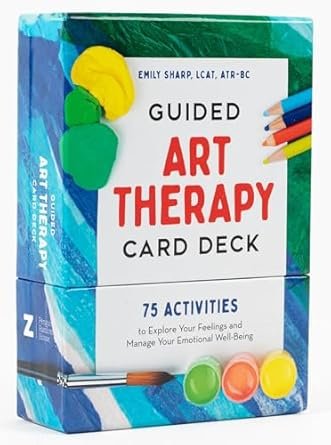
To start your journey, you’ll need some basic, good-quality materials. Investing a little in your tools can make the process more enjoyable. This adds to the overall sense of emotional wellness. A great starting point for aspiring music therapists or for personal healing with music is something like a beginner-friendly therapeutic percussion set [Amazon Product: Beginner Therapeutic Percussion Set]. These sets often include simple instruments like small hand drums, shakers, and tone blocks. They are perfect for exploring rhythm and making spontaneous sound. These tools provide excellent, immediate stress relief through hands-on engagement. They make both Art Therapy and Music Therapy incredibly accessible.
The Combined Power of Art Therapy and Music Therapy
Imagine combining the visual power of art for emotions with the auditory comfort of healing with music. Some therapists facilitate sessions where you draw or paint while listening to or creating music. This dual approach maximizes the benefits of creative therapy. It engages multiple senses for a richer, more integrative emotional wellness experience. This combined modality is incredibly potent for sustained mental health improvement.
These two expressive arts therapies provide a gentle, profound path forward. They are powerful tools in your toolkit for deep emotional healing. Embrace the process and allow your creativity to lead the way to lasting peace.
Conclusion: Embrace Art Therapy and Music Therapy for Lasting Emotional Wellness
The journey to deep emotional wellness isn’t always a linear path of talking and analyzing. Sometimes, the deepest healing comes through your hands and your voice. Art Therapy and Music Therapy provide these powerful, non-verbal pathways. By exploring art for emotions and engaging in healing with music, you unlock profound self-awareness. These forms of creative therapy are exceptional for stress relief and boosting your overall mental health. We’ve explored the five key ways they work, from non-verbal communication to trauma processing. Start small today, be kind to yourself, and let the process unfold. Your inner world is ready to express itself.